• Skip to primary navigation
  • Skip to main content
  • Skip to primary sidebar
  • Skip to footer
Montessori Mantra Teachers’ Training College

Montessori Mantra Teachers’ Training College

Hands-on and authentic instruction for Montessori educators

  • Assistants’ Course
  • Diploma Course
  • Professional Development
  • About Us
    • Our College
      • Our Philosophy & Values
      • Vision & Mission
    • Faculty & Administration
    • Our Facility
    • Why Choose Us
  • Career Center
    • Job Postings
    • Career Resources
  • Montessori Education
    • Maria Montessori
    • Montessori Philosophy
    • Montessori Method
    • Glossary & Terms
  • Updates
  • Contact Us

montessorimant

Watch the Replay: “Your Future in Montessori Education Starts Here”

August 5, 2025

If you missed our recent live webinar, we’ve got you covered. In this 30-minute session, Founder Nandita Agarwala and Registrar Debbie Couture share everything you need to know about our Montessori Early Childhood Diploma Program, from hands-on training and practicum experience to why Montessori is a powerful, values-based approach to education.

Whether you’re a newcomer to Canada, a career changer, or an aspiring educator, this webinar will help you understand if this path is right for you.

Watch the full recording below and take the first step toward a meaningful career in Montessori education.
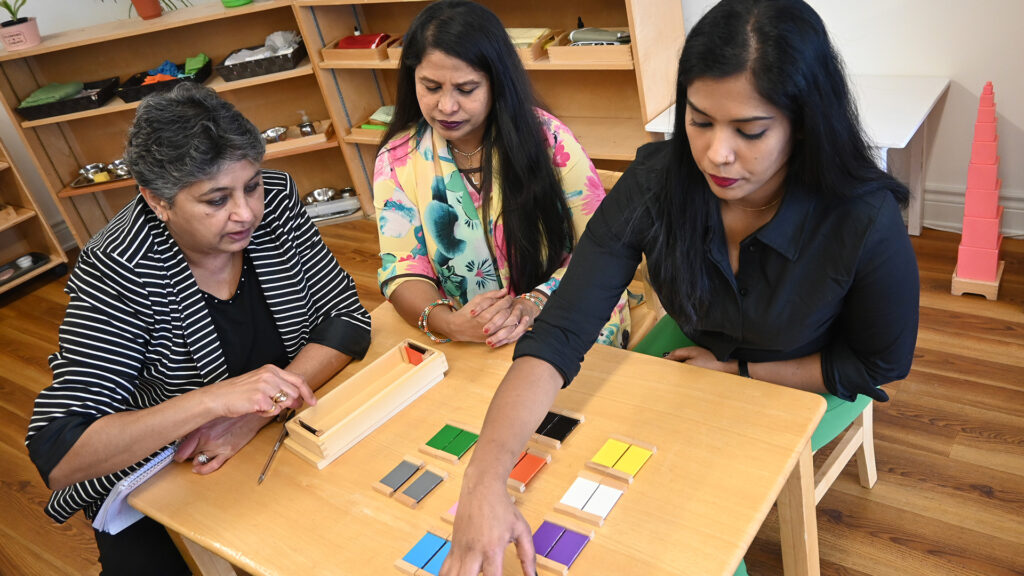
Learn More About The Montessori EC Teacher Diploma Program

Meet Our Founder: Nandita Agarwala

May 14, 2025

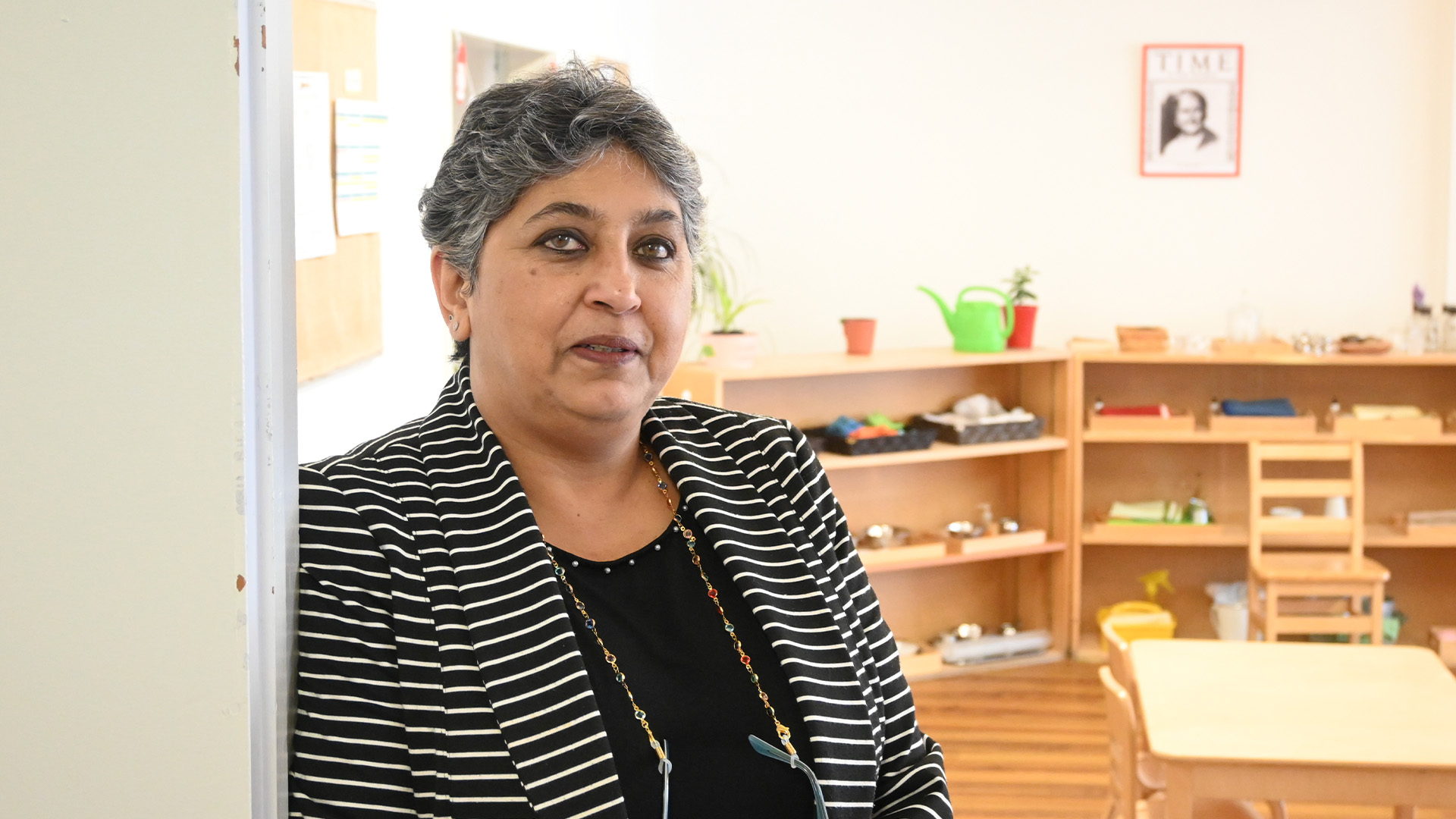
Meet Our Founder: Nandita Agarwala

Nandita Agarwala
Founder & Director, Montessori Mantra Teachers’ Training College

Nandita Agarwala is a seasoned Montessori educator, trainer, interventionist, and advocate with over 40 years of experience transforming the lives of children, families, and educators across Canada, India, and beyond. As founder of Montessori Mantra Teachers’ Training College (MMTTC), Nandita brings a visionary approach to Montessori training, seeing it not just as a teaching method but as a life philosophy centered on human potential, independence, and respect.

Nandita’s journey began in India, where she earned her Diploma in Montessori Education in 1987, followed by advanced training in Toddler and Lower Elementary Montessori programs. After relocating to Canada in 2006, she earned her MACTE Casa certification and completed the Trainer of Trainers’ Course in Toronto, equipping her to teach, lead, and mentor the next generation of Montessori educators.  Nandita has also been working as a consultant since 2015, helping other professionals set up and launch their own Montessori schools. 

In 2025, Nandita expanded her expertise, becoming a certified Montessori Interventionist. She is qualified to work independently with children, adolescents, adults, and caregivers, supporting those with physical, mental, or emotional challenges using a holistic, resource-based Montessori approach.

A passionate innovator, Nandita has pioneered the use of Montessori principles in dementia care, extending the philosophy’s reach into healthcare and caregiving. As a director on the board of the Canadian Association of Montessori Teachers (CAMT), she is a respected voice advocating for high-quality, child-centered education and professional growth for educators.

At the heart of her work is Montessori Mantra, her Montessori school in Pickering, Ontario, which nurtures infants, toddlers, and preschoolers. With the launch of MMTTC, she now extends her mission to adult learners, offering immersive, hands-on diploma programs that transform students into confident, compassionate Montessori educators.

Through her work, Nandita continues to inspire a global community, empowering educators to unlock human potential and create lasting impact in classrooms, families, and communities.


Get Started Today

Montessori Early Childhood Diploma Course (MACTE accredited) 

Whether you’re exploring Montessori for the first time or ready to enroll, we’re here to help.

Learn More
Enrolling for January 2027

A Montessori Teacher’s Daily Routine: What to Expect

December 20, 2024

Becoming a Montessori teacher offers a structured yet flexible daily routine designed to foster independence, creativity, and a love for learning in students. While the specifics may vary depending on the school and classroom setup, here’s an overview of what a typical day looks like for a Montessori teacher.

1. Morning Preparation

Montessori teachers start the day by preparing the classroom environment to ensure everything is ready for the children.

Tasks Include:

  • Setting out Montessori materials for the day’s activities.
  • Ensuring the classroom is clean, organized, and inviting.
  • Reviewing the lesson plan to align with students’ progress and interests.

2. Welcoming Students

As children arrive, the teacher greets them warmly, fostering a positive and respectful atmosphere.

Focus: Building trust and helping children transition smoothly into the learning environment.

3. Morning Work Cycle

The core part of the day involves a long, uninterrupted work cycle, a hallmark of Montessori education.

Role of the Teacher:

  • Observing students as they choose and engage with activities independently.
  • Offering guidance when necessary, ensuring students stay on track while encouraging exploration.
  • Introducing new materials or lessons tailored to each child’s developmental stage.

4. Snack and Outdoor Time

Students take a break to enjoy a healthy snack and engage in outdoor activities.

Teacher’s Role:

  • Supervising snack time to encourage healthy habits and social interaction.
  • Facilitating outdoor play to promote physical development and social skills.

5. Group Activities

Later in the morning or early afternoon, Montessori teachers may lead group activities such as circle time, storytelling, or music sessions.

Purpose: To foster community, teamwork, and shared learning experiences.

6. Lunch and Midday Break

Teachers oversee lunch, encouraging students to practice practical life skills such as serving food and cleaning up.

Teacher’s Role: Modeling independence and reinforcing the importance of responsibility.

7. Afternoon Work Cycle

The second work cycle allows children to revisit or explore new activities, further developing their skills and knowledge.

Teacher’s Focus: Tailor lessons to individual needs and track progress through observation and documentation.

8. End-of-Day Wrap-Up

As the day concludes, teachers help children tidy the classroom and reflect on their accomplishments.

Tasks Include:

  • Encouraging students to return materials to their designated places.
  • Reviewing the day’s observations and planning for the next day.

A Montessori teacher’s daily routine is dynamic, requiring a balance of observation, guidance, and direct teaching. By preparing the environment, fostering independence, and nurturing a love for learning, Montessori teachers create meaningful and rewarding educational experiences for their students.

Learn More About Our EC Diploma Course

Career Prospects for Certified Montessori Educators

December 18, 2024

Certified Montessori educators enjoy a range of exciting career opportunities in an education system known for its holistic and child-centered approach. With the growing global demand for Montessori-trained professionals, obtaining certification can open doors to meaningful and rewarding career paths. Here’s a look at the prospects for certified Montessori educators.

1. Teaching in Montessori Schools

Montessori educators can work with children from infancy through adolescence in a variety of settings.

• Prospects: Work in private Montessori schools and early childhood centers.

• Age Groups: Teach in infant/toddler programs, primary classrooms (ages 3–6), or elementary and middle school levels.

• Demand: Increasing awareness of Montessori’s benefits has led to a rising demand for certified teachers worldwide.

2. Becoming a Montessori School Administrator

For those with leadership skills, transitioning into school administration is a natural progression. Administrators oversee operations, manage staff, and ensure adherence to Montessori principles.

• Prospects: Manage existing schools or establish new Montessori programs.

• Roles: Principal, program coordinator, or school director.

3. Special Education Opportunities

Montessori’s individualized learning approach aligns well with special education. Certified Montessori educators can adapt techniques to support children with diverse needs.

• Prospects: Work as special education teachers in inclusive Montessori environments.

4. International Montessori Teaching

Montessori education has a global presence, offering certified educators opportunities to teach or train in various countries.

• Prospects: Teach abroad in regions where Montessori education is expanding, such as Asia, Europe, and the Middle East.

• Perks: Exposure to different cultures and often competitive salary packages.

5. Curriculum Development and Training

Experienced Montessori educators can transition into roles where they design Montessori curricula or train the next generation of Montessori teachers.

• Prospects: Work with teacher training colleges, educational consultancies, or Montessori material developers.

6. Montessori Entrepreneurship

Certified Montessori educators can establish and run their own schools, bringing quality education to their communities.

• Prospects: Launch preschools, daycare centers, or full-fledged Montessori schools.

7. Montessori Research and Advocacy

Those passionate about advancing Montessori education can contribute to research or join organizations that promote Montessori principles.

• Prospects:  Join organizations such as the Canadian Association of Montessori Teachers (CAMT) or Association Montessori Internationale (AMI).

Why Montessori Mantra Teachers’ Training College (MMTTC)?

Montessori Mantra Teachers’ Training College (MMTTC) in Toronto and the GTA provides comprehensive training and certification, ensuring graduates are equipped to excel in any of these roles.

Features of MMTTC:

• 500 hours of practicum for hands-on experience.

• Classes are all held in person inside a real Montessori classroom.

• Flexible part-time schedules for working professionals.

• Expert faculty with extensive Montessori teaching experience.

Certified Montessori educators have endless career prospects, from teaching and administration to curriculum development and entrepreneurship. By obtaining certification through a reputable program like MMTTC, you’ll gain the skills and confidence needed to thrive in this growing field.

Learn More About The Montessori EC Diploma Program

A Guide to the Montessori Teacher Certification Process

December 17, 2024

Becoming a certified Montessori teacher is a rewarding journey that combines theoretical learning, hands-on practice, and a commitment to child-centered education. If you’re considering this career path, here’s a step-by-step guide to understanding the Montessori teacher certification process and what to expect.

Step 1: Research and Choose a Certification Program

The first step is to find a certification program that aligns with your goals and values. Look for an institution that offers comprehensive training in Montessori philosophy and practical methodologies.

Why Choose Montessori Mantra Teachers’ Training College (MMTTC)?

  • Quality Montessori training by experienced instructors.
  • Focused on Early Childhood Diploma for children aged 2.5 to 6 years.
  • Flexible, part-time schedules for working professionals.
  • All classes are in person to maximize experiential learning.

Step 2: Enroll in a Montessori Teacher Training Program

Once you’ve selected a program, the next step is enrollment. Be prepared to submit application forms, academic transcripts, and, in some cases, a statement of intent.

MMTTC Enrollment Perks:

  • Waived application fee for early applicants.
  • Accessible registration process.

Step 3: Theoretical Coursework

During the training, you’ll explore Montessori philosophy, child development, and classroom management techniques. This theoretical foundation is crucial for understanding the Montessori approach to education.

Step 4: Practical Experience

Montessori certification programs include a practicum, where students gain hands-on experience in a Montessori classroom. This phase allows you to apply your learning in a real-world setting, working with children under the guidance of experienced Montessori educators.

MMTTC’s Practicum Highlights:

  • 500 hours of classroom experience.
  • Exposure to diverse learning environments and teaching styles.

Step 5: Complete Assessments

Certification programs often include assessments such as essays, practical exams, or presentations to evaluate your understanding and application of Montessori principles.

Step 6: Receive Your Certification

Once you’ve completed the coursework, practicum, and assessments, you’ll be awarded your Montessori teacher certification. This credential qualifies you to teach in Montessori schools locally and internationally.

Step 7: Begin Your Montessori Career

With your certification, you’re ready to embark on a fulfilling career as a Montessori educator. You can start by applying for teaching positions or even consider advanced roles like curriculum developer or school administrator.

The Montessori teacher certification process equips you with the knowledge, skills, and confidence to effectively guide young learners. By choosing a reputable program like Montessori Mantra Teachers’ Training College (MMTTC), you’ll be well-prepared to excel in this rewarding field.

Learn More About Our Diploma Program

The Benefits of Montessori Education for Special Needs Children

December 16, 2024

Montessori education offers a flexible, supportive environment tailored to meet the unique needs of each child, making it an excellent choice for children with special needs. With its focus on individualized learning, sensory-based activities, and respect for each child’s developmental pace, Montessori provides a nurturing space for children to thrive academically, socially, and emotionally.

1. Individualized Learning at Each Child’s Pace

Montessori classrooms prioritize individual learning paths, allowing children with special needs to progress at a pace that suits them best. Teachers observe and adjust activities to match each child’s unique abilities, ensuring they feel confident and capable. This approach reduces stress and builds self-esteem, making learning a positive experience.

2. Hands-On, Sensory-Based Learning

Montessori education incorporates hands-on, sensory-rich materials that engage multiple senses, supporting children with sensory processing challenges. Activities like pouring, sorting, and tactile exploration help children develop fine motor skills and focus, creating meaningful, enjoyable learning experiences.

3. Encourages Independence and Self-Confidence

Montessori environments are structured to foster independence. Children learn life skills like dressing, cleaning, and organizing their space. By completing these tasks independently, children with special needs gain a sense of accomplishment and confidence, contributing to emotional growth and resilience.

4. Supports Social and Emotional Development

Montessori classrooms typically feature mixed-age groups, providing a natural setting for peer learning and social interaction. Children with special needs benefit from observing and engaging with peers in a collaborative, non-competitive atmosphere. This setting promotes empathy, patience, and social skills that support emotional well-being.

5. Focus on Whole-Child Development

Montessori’s “whole child” approach nurtures academic skills and emotional, social, and physical growth. Children with special needs receive support in every aspect of their development, creating a balanced foundation for success inside and outside the classroom.

Montessori education provides a compassionate and adaptable learning environment that empowers special needs children to reach their potential. Through individualized learning, sensory engagement, and a focus on holistic development, Montessori helps children with special needs build confidence, independence, and essential life skills.

  • « Go to Previous Page
  • Page 1
  • Page 2
  • Page 3
  • Page 4
  • Interim pages omitted …
  • Page 7
  • Go to Next Page »

Primary Sidebar


Get Started Today

Montessori Early Childhood Diploma Course (MACTE accredited) 

Whether you’re exploring Montessori for the first time or ready to enroll, we’re here to help.

Learn More
Enrolling for January 2027

Recent Posts

  • MMTTC Celebrates Graduates of the Certified Montessori Early Childhood Diploma
  • The Role of the Prepared Environment in Montessori Classrooms
  • How Montessori Teachers Create Calm Classrooms 
  • Montessori Mantra Teachers’ Training College is MACTE Accredited
  • Top Skills You Learn in Montessori Teacher Training in Pickering, Ontario
  • Instagram
  • LinkedIn
  • Facebook

Footer

  • Assistants’ Course
  • Diploma Course
  • Professional Development
  • About Us
    • Our College
      • Our Philosophy & Values
      • Vision & Mission
    • Faculty & Administration
    • Our Facility
    • Why Choose Us
  • Career Center
    • Job Postings
    • Career Resources
  • Montessori Education
    • Maria Montessori
    • Montessori Philosophy
    • Montessori Method
    • Glossary & Terms
  • Updates
  • Contact Us
  • Privacy Policy
  • Health & Safety
  • Instagram
  • LinkedIn
  • Facebook

Montessori Mantra Teachers’ Training College holds accredited status for its Early Childhood Diploma Course from the Montessori Accreditation Council for Teacher Education (MACTE).
Copyright © 2026 Montessori Mantra Teachers' Training College. All Rights Reserved.
Sexual Violence Policy