• Skip to primary navigation
  • Skip to main content
  • Skip to primary sidebar
  • Skip to footer
Montessori Mantra Teachers’ Training College

Montessori Mantra Teachers’ Training College

Hands-on and authentic instruction for Montessori educators

  • Assistants’ Course
  • Diploma Course
  • Professional Development
  • About Us
    • Our College
      • Our Philosophy & Values
      • Vision & Mission
    • Faculty & Administration
    • Our Facility
    • Why Choose Us
  • Career Center
    • Job Postings
    • Career Resources
  • Montessori Education
    • Maria Montessori
    • Montessori Philosophy
    • Montessori Method
    • Glossary & Terms
  • Updates
  • Contact Us

montessorimant

Building a Rewarding Career as a Montessori Educator

December 14, 2024

A career as a Montessori educator is not just a job—it’s a calling to inspire, guide, and nurture the potential of young minds. With Montessori education continuing to grow in popularity worldwide, becoming a Montessori teacher offers endless opportunities for personal and professional fulfillment. Here’s how you can embark on and thrive in this rewarding career.

1. Understand the Montessori Philosophy

Montessori educators embrace a child-centered approach that values independence, creativity, and respect for each child’s unique development. To succeed, it’s essential to align with these principles and integrate them into your teaching style.

  • Action Step: Start by reading Montessori classics like The Secret of Childhood and The Montessori Method.

2. Complete a Montessori Teacher Training Program

Your first step toward becoming a Montessori educator is to earn a diploma from a reputable training program.

Why Choose Montessori Mantra Teachers’ Training College (MMTTC)?

  • Comprehensive Curriculum: Covers Montessori philosophy, classroom management, and practical applications for children aged 2.5 to 6 years.
  • Hands-On Training: Includes 500 hours of practicum in certified Montessori classrooms.
  • Flexible Learning: Part-time classes fit seamlessly into busy schedules.
  • Expert Faculty: Learn from seasoned Montessori educators.
  • In Person Learning: All sessions are held in person within a Montessori classroom setting.

3. Gain Practical Classroom Experience

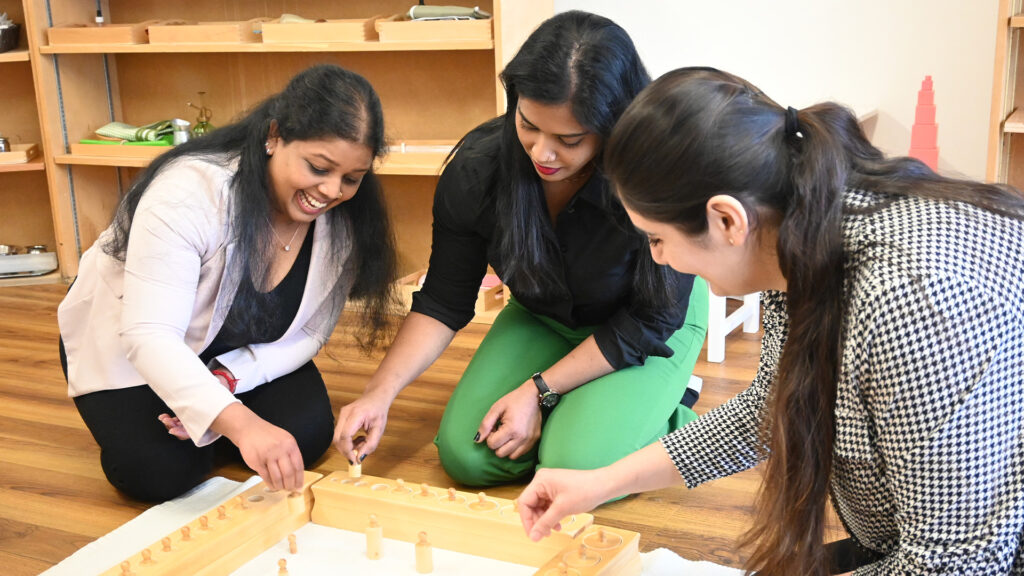
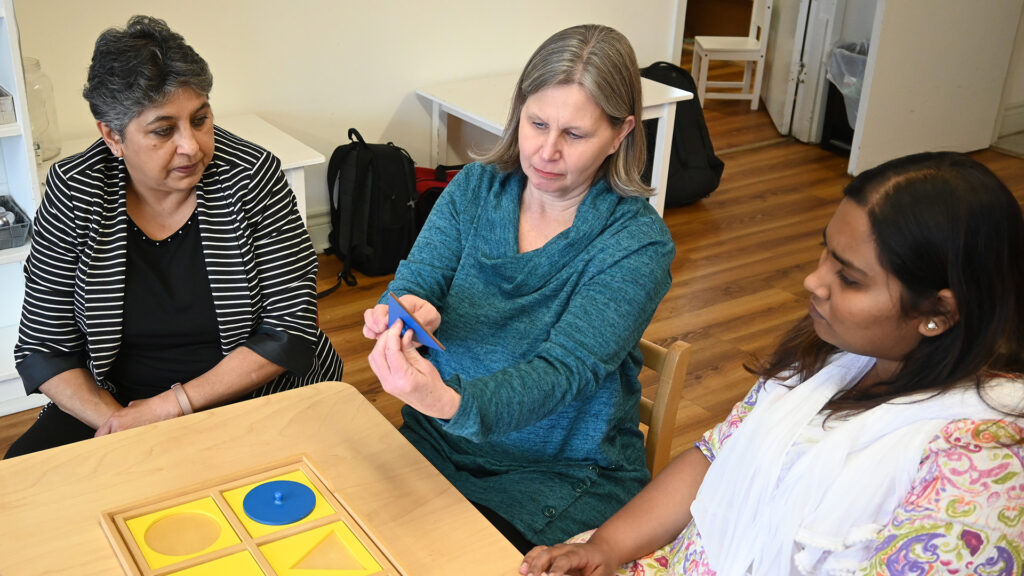
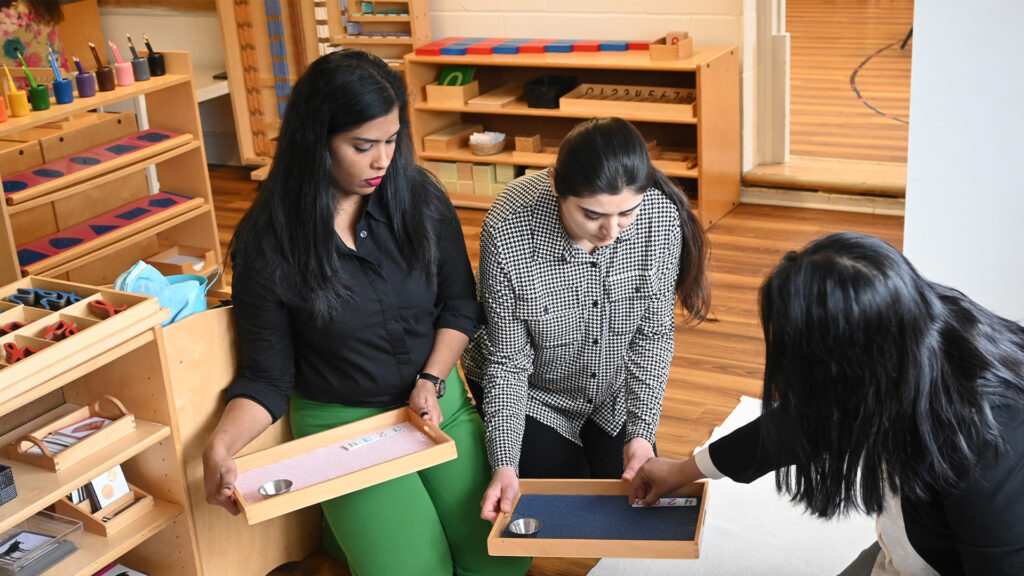
Montessori teaching is rooted in hands-on learning. Practical experience in a Montessori classroom will help you master the use of Montessori materials, manage a multi-age classroom, and foster independence in students.

  • At MMTTC: The practicum ensures you’re job-ready with confidence and real-world experience.

4. Build Relationships in the Montessori Community

Networking is key to advancing in any career, and Montessori education is no exception. Join professional organizations, attend conferences, and connect with other Montessori educators to stay informed and inspired.

  • Organizations to Explore: Canadian Association for Montessori Teachers (CAMT) 

5. Explore Career Growth Opportunities

As you gain experience, there are many pathways to expand your Montessori career, including:

  • Becoming a school administrator.
  • Training new Montessori teachers.
  • Developing Montessori curricula.
  • Starting your own Montessori school.

6. Stay Committed to Lifelong Learning

Montessori education evolves alongside new child development research. Commit to ongoing professional development by attending workshops, pursuing advanced certifications, and staying updated on the latest in Montessori practices.

A career as a Montessori educator is deeply rewarding, offering opportunities to make a lasting impact on children’s lives. By starting with the right training at Montessori Mantra Teachers’ Training College (MMTTC), you’ll gain the skills, experience, and confidence needed to excel in this meaningful field.


Learn More About Our Diploma Porgam

The Worldwide Influence of Montessori Education

December 13, 2024

Montessori education has become a global movement, influencing schools and educational approaches in over 140 countries. Its child-centered philosophy, emphasis on independence, and hands-on learning methods have reshaped the way many view early childhood education.

1. Adapting to Diverse Cultures

Montessori’s flexible, child-focused approach works well in a variety of cultural settings. From rural villages to urban centers, Montessori education supports individualized learning that respects each child’s unique background and pace.

2. Empowering Underserved Communities

In developing countries, Montessori programs are often established to provide high-quality, accessible education. Montessori’s hands-on, resource-efficient approach is especially effective in communities with limited access to traditional learning materials.

3. Shaping Educational Reform

Many national education systems have adopted Montessori-inspired methods, emphasizing critical thinking, creativity, and student autonomy over rote memorization. Countries like Finland and the Netherlands incorporate Montessori principles in their primary school curricula.

4. Fostering Global Citizenship

Montessori education promotes respect, empathy, and cultural awareness, helping children grow into compassionate global citizens. Lessons on world geography, history, and languages encourage students to appreciate cultural diversity from a young age.

From influencing educational reforms to empowering underserved communities, Montessori education’s global reach continues to make a positive impact. Its flexible, child-centered approach supports holistic development and fosters a more inclusive, compassionate worldview.

Career Pathways in Montessori Education

December 11, 2024

Montessori education offers diverse and rewarding career opportunities for individuals passionate about nurturing young minds. Whether you’re just starting your Montessori journey or looking to expand your career, the Montessori approach provides pathways that cater to different interests and expertise. Here’s a guide to the exciting career options in Montessori education.

1. Montessori Teacher

Becoming a Montessori teacher is a natural first step for those who complete a Montessori training program. Montessori teachers guide children in their learning journeys, creating a nurturing environment where curiosity and independence thrive.

• Qualifications Needed: Montessori Early Childhood Diploma (e.g., from Montessori Mantra Teachers’ Training College (MMTTC)).

• Work Settings: Montessori schools, early childhood centers, or international teaching opportunities.

2. Montessori Classroom Assistant

For those new to Montessori education, working as a classroom assistant is a great way to gain experience while supporting a lead Montessori teacher.

• Responsibilities: Assist in managing the classroom, preparing materials, and observing Montessori methods in action.

• Pathway: Often a stepping stone to becoming a full Montessori teacher.

3. Montessori School Administrator

Montessori administrators play a crucial role in managing the operations of Montessori schools. They combine educational expertise with leadership skills to ensure the school’s success.

• Responsibilities: Oversee teacher training, manage enrollment, coordinate with parents, and ensure adherence to Montessori principles.

• Skills Needed: Montessori background, organizational skills, and leadership training.

4. Curriculum Developer or Trainer

Experienced Montessori educators often transition to roles where they design curricula or train aspiring Montessori teachers. These roles allow professionals to shape the future of Montessori education.

• Responsibilities: Develop teaching materials, mentor new teachers, and lead professional development workshops.

• Pathway: Advanced Montessori certifications and significant teaching experience.

5. Special Education Specialist

Montessori principles align well with individualized learning, making this field ideal for those passionate about supporting children with special needs.

• Responsibilities: Adapt Montessori methods to meet the unique needs of children requiring extra support.

• Training Required: Montessori training plus special education certifications.

6. Owner of a Montessori School

Entrepreneurs with a Montessori background can establish and run their own Montessori schools, bringing quality education to their communities.

• Responsibilities: Build and manage a Montessori school, hire staff, and implement a child-centered curriculum.

• Skills Needed: Montessori training, business acumen, and leadership skills.

7. International Montessori Educator

Montessori education is a global movement, providing opportunities for educators to teach or train in various countries.

• Benefits: Exposure to diverse cultures, international travel, and contributing to global education reform.

Why Start Your Journey at MMTTC?

Montessori Mantra Teachers’ Training College (MMTTC) is the top choice for aspiring Montessori professionals in Toronto and the GTA. With a comprehensive curriculum, flexible schedules, and 500 hours of hands-on practicum, MMTTC prepares you for any Montessori career pathway.

Montessori education opens doors to fulfilling careers that impact the lives of children and communities. Whether you aim to teach, lead, or innovate, Montessori education provides endless opportunities to grow and make a difference. Start your journey today and explore the many pathways that align with your passion.

Learn More About Our Training Programs

Benefits of Hands-On Learning in Montessori Classrooms

December 10, 2024

Hands-on learning is at the heart of the Montessori approach, enabling children to explore concepts through direct experience. This method nurtures curiosity, independence, and a deeper understanding of academic and practical life skills.

1. Enhances Understanding and Retention

By actively engaging with materials, children can grasp complex concepts more easily. For example, working with Montessori math beads or language tools reinforces learning by making abstract ideas tangible.

2. Develops Fine and Gross Motor Skills

Practical activities like pouring, threading, and using sensory materials help strengthen motor skills essential for writing, drawing, and daily tasks.

3. Encourages Problem-Solving

Montessori materials are often self-correcting, allowing children to recognize and correct mistakes independently. This fosters critical thinking and encourages perseverance.

4. Boosts Independence and Confidence

Children gain confidence as they work through tasks on their own. Hands-on learning promotes self-directed exploration, building self-esteem and a love for learning.

5. Engages Multiple Senses

Montessori environments are designed to engage all senses. Through tactile, visual, and auditory experiences, children connect with concepts on multiple levels, supporting comprehensive development.

Hands-on learning in Montessori classrooms provides children with a solid foundation of understanding, independence, and problem-solving skills. By engaging actively with their environment, children develop skills that last a lifetime.

Steps to Starting a Career in Montessori Education

December 8, 2024

Montessori education offers a fulfilling career path for individuals passionate about nurturing young minds. With a growing demand for Montessori-trained educators, embarking on this journey can lead to exciting opportunities. Here’s a step-by-step guide to starting your career in Montessori education.

1. Understand the Montessori Philosophy

Before diving in, familiarize yourself with the core principles of Montessori education. This child-centered approach emphasizes independence, hands-on learning, and respect for each child’s natural development.

Action Step: Read foundational texts by Dr. Maria Montessori, such as The Absorbent Mind or The Montessori Method.

2. Choose the Right Montessori Training Program

Enrolling in a Montessori teacher training program is essential. This will provide you with the theoretical foundation and practical skills to excel as a Montessori educator.

Why Choose Montessori Mantra Teachers’ Training College (MMTTC)?

  • Comprehensive Training: Covers Montessori philosophy, child development, and practical applications for ages 2.5 to 6.
  • Hands-On Practicum: Gain 500 hours of real-world experience in Montessori classrooms.
  • Flexible Schedules: Part-time classes on evenings and weekends to fit your lifestyle.
  • Expert Faculty: Learn from experienced Montessori educators who provide guidance and mentorship.
  • In-person Learning: Benefit from experiential and immersive in-person training.

3. Gain Hands-On Classroom Experience

Montessori teaching requires proficiency in using specialized materials and managing classrooms effectively. A practicum in a certified Montessori environment will prepare you for real-world teaching.

At MMTTC: The 500-hour practicum ensures you’re job-ready, with practical knowledge and confidence in implementing Montessori methods.


4. Obtain Certification

After completing your training, you’ll receive a Montessori Early Childhood Diploma, qualifying you to teach in Montessori schools. Certification demonstrates your commitment to Montessori principles and opens doors to employment opportunities.

5. Build Your Professional Network

Networking with other Montessori professionals and joining organizations like the Canadian Association of Montessori Teachers (CAMT) can connect you with job opportunities and ongoing professional development.

6. Find a Montessori Teaching Position

Search for job openings at Montessori schools in your area or even internationally. With your training and certification, you’ll be well-prepared to become a Montessori educator.

7. Commit to Lifelong Learning

Montessori education evolves with advancements in child development research. Attend workshops, seminars, and advanced training programs to refine your skills and stay updated.

Starting a career in Montessori education requires dedication, the right training, and a passion for teaching. By enrolling at Montessori Mantra Teachers’ Training College (MMTTC), you’ll gain the skills, experience, and certification needed to succeed in this rewarding field.

Learn More About Our Programs

Exploring Career Opportunities for Montessori Educators

December 7, 2024

Montessori educators are in high demand worldwide, with career opportunities spanning teaching, administration, curriculum development, and beyond. Whether you’re just starting your journey or looking to expand your career, here’s a guide to the diverse paths available for Montessori educators.

1. Montessori Classroom Teacher

Teaching in a Montessori classroom is the most direct career path for certified Montessori educators. As a teacher, you’ll guide children in a prepared environment, fostering their independence, curiosity, and love for learning.

• Qualifications Needed: Montessori certification (e.g., Montessori Early Childhood Diploma from MMTTC).

• Work Settings: Montessori schools, early childhood centers, and international programs.

2. Montessori Classroom Assistant

For those beginning their Montessori careers, working as a classroom assistant offers hands-on experience while supporting a lead teacher. This role is an excellent starting point for gaining practical insights into Montessori education.

3. Montessori Administrator

For educators with leadership skills, transitioning into a school administration role is a natural step. Administrators oversee operations, manage staff, and ensure the school adheres to Montessori principles.

• Responsibilities: School management, teacher mentoring, and parent engagement.

4. Montessori Trainer or Mentor

Experienced educators can share their expertise by becoming trainers or mentors for aspiring Montessori teachers. This role involves leading workshops, designing training programs, and supporting new educators.

• Pathway: Advanced Montessori certification and years of teaching experience.

5. Curriculum Developer

Montessori curriculum developers design lesson plans, create learning materials, and adapt the Montessori method to modern educational needs.

• Skills Needed: Creativity, Montessori expertise, and a strong understanding of child development.

6. Special Needs Montessori Educator

Montessori’s individualized approach makes it ideal for special education. Educators in this field adapt Montessori methods to meet the unique needs of children requiring additional support.

7. Montessori School Owner

Entrepreneurs with Montessori experience can establish and manage their own schools, bringing quality education to their communities.

• Responsibilities: Creating a child-centered environment, managing operations, and hiring staff.

8. International Montessori Educator

Montessori education is a global phenomenon, providing opportunities to teach or train in diverse cultural settings worldwide.

Why Start Your Journey at MMTTC?

Montessori Mantra Teachers’ Training College (MMTTC) is the top choice for aspiring Montessori professionals in Toronto and the GTA. MMTTC provides comprehensive training, hands-on practicum, and flexible schedules, ensuring you’re ready for any career path you choose.

Montessori education offers a fulfilling career with diverse opportunities. Whether you aim to teach, lead, or innovate, Montessori Mantra Teachers’ Training College (MMTTC) can help you achieve your career goals. Begin your journey today and explore the possibilities that Montessori education has to offer.

Learn More About Our Diploma Program

  • « Go to Previous Page
  • Page 1
  • Page 2
  • Page 3
  • Page 4
  • Page 5
  • Interim pages omitted …
  • Page 7
  • Go to Next Page »

Primary Sidebar


Get Started Today

Montessori Early Childhood Diploma Course (MACTE accredited) 

Whether you’re exploring Montessori for the first time or ready to enroll, we’re here to help.

Learn More
Enrolling for January 2027

Recent Posts

  • MMTTC Celebrates Graduates of the Certified Montessori Early Childhood Diploma
  • The Role of the Prepared Environment in Montessori Classrooms
  • How Montessori Teachers Create Calm Classrooms 
  • Montessori Mantra Teachers’ Training College is MACTE Accredited
  • Top Skills You Learn in Montessori Teacher Training in Pickering, Ontario
  • Instagram
  • LinkedIn
  • Facebook

Footer

  • Assistants’ Course
  • Diploma Course
  • Professional Development
  • About Us
    • Our College
      • Our Philosophy & Values
      • Vision & Mission
    • Faculty & Administration
    • Our Facility
    • Why Choose Us
  • Career Center
    • Job Postings
    • Career Resources
  • Montessori Education
    • Maria Montessori
    • Montessori Philosophy
    • Montessori Method
    • Glossary & Terms
  • Updates
  • Contact Us
  • Privacy Policy
  • Health & Safety
  • Instagram
  • LinkedIn
  • Facebook

Montessori Mantra Teachers’ Training College holds accredited status for its Early Childhood Diploma Course from the Montessori Accreditation Council for Teacher Education (MACTE).
Copyright © 2026 Montessori Mantra Teachers' Training College. All Rights Reserved.
Sexual Violence Policy