
• Skip to primary navigation
  • Skip to main content
  • Skip to primary sidebar
  • Skip to footer
Montessori Mantra Teachers’ Training College

Montessori Mantra Teachers’ Training College

Hands-on and authentic instruction for Montessori educators

  • Assistants’ Course
  • Diploma Course
  • Professional Development
  • About Us
    • Our College
      • Our Philosophy & Values
      • Vision & Mission
    • Faculty & Administration
    • Our Facility
    • Why Choose Us
  • Career Center
    • Job Postings
    • Career Resources
  • Montessori Education
    • Maria Montessori
    • Montessori Philosophy
    • Montessori Method
    • Glossary & Terms
  • Updates
  • Contact Us

General

How Montessori Methods Support Special Needs Education

November 10, 2024

Montessori education is known for its flexibility and focus on individualized learning, making it an ideal approach for children with special needs. By adapting the learning environment to each child’s unique abilities, Montessori methods provide a supportive and inclusive framework. Whether a child faces physical, cognitive, or emotional challenges, Montessori education emphasizes respect, patience, and self-paced learning, offering tailored support that encourages growth.

Individualized Learning Approach

One of the hallmarks of Montessori education is its ability to cater to each child’s individual learning style and pace. For children with special needs, this is especially valuable. Montessori classrooms provide an open-ended learning environment where children are free to explore and work at their own speed, without the pressure of rigid timelines or expectations. Teachers observe and adjust lessons based on the child’s developmental stage, ensuring they receive the right level of challenge and support.

Sensory-Rich Learning Environments

Montessori classrooms are designed to engage all of a child’s senses, providing sensory-rich materials that support different types of learners. For children with sensory processing disorders or other developmental challenges, these materials offer a hands-on way to explore and understand the world. Montessori’s emphasis on tactile learning and sensory input can be especially beneficial for children with special needs, helping them connect to their environment in a more meaningful way.

Fostering Independence Through Practical Life Activities

Practical life activities, such as dressing, pouring, and cleaning, are core components of Montessori education. These activities promote independence and self-sufficiency, allowing children with special needs to build confidence in their abilities. By breaking down tasks into simple, manageable steps, Montessori helps children with motor challenges or developmental delays master essential life skills at their own pace. This focus on independence nurtures self-esteem and a sense of accomplishment.

Multi-Age Classrooms for Social Learning

Montessori’s mixed-age classrooms create a natural environment for peer learning and social development. For children with special needs, learning alongside both younger and older peers offers opportunities to practice social skills in a supportive setting. Peer interactions can be less stressful in a Montessori classroom, where collaboration and mentorship are encouraged rather than competition. This structure helps children with special needs develop empathy, patience, and stronger social connections.

Respecting the Whole Child

Montessori education emphasizes the importance of educating the “whole child,” focusing not just on academic growth, but on emotional, social, and physical development. For children with special needs, this holistic approach ensures they receive support in every area of their development. Montessori teachers respect each child’s abilities and challenges, providing an inclusive environment that encourages emotional growth and resilience. By recognizing the individual strengths of each child, Montessori education fosters a sense of belonging and empowerment.

Supportive and Observational Teaching Style

Montessori teachers act as observers and guides, allowing children to take the lead in their learning. For children with special needs, this supportive and non-intrusive teaching style is particularly beneficial. Montessori educators are trained to recognize each child’s strengths and challenges through observation, adjusting the curriculum and environment to fit their needs. This flexible, child-centered approach ensures that children with special needs are supported without being pressured or rushed.

Empowering Special Needs Learners Through Montessori

The Montessori method provides a nurturing, adaptable, and inclusive learning environment that is well-suited for children with special needs. By focusing on individualized learning, sensory engagement, and fostering independence, Montessori education empowers special needs learners to thrive at their own pace. Its holistic and child-centered approach ensures that every child, regardless of ability, is given the tools and support needed to grow with confidence and self-assurance.

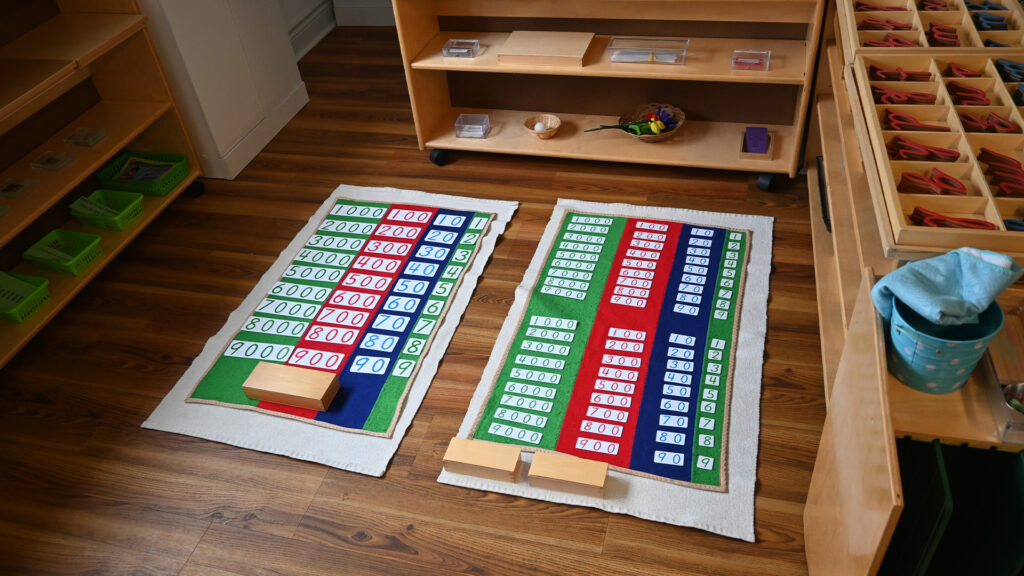
The Benefits of Montessori Education for Infants and Toddlers

November 8, 2024

The early years of a child’s life are crucial for building the foundation for lifelong learning. Montessori education for infants and toddlers takes advantage of this critical period by creating environments that nurture curiosity, independence, and motor skills. Montessori programs designed for young children emphasize sensory exploration and emotional development, helping even the youngest learners thrive. Let’s explore the key benefits of Montessori education for infants and toddlers.

1. Encourages Early Independence

Even at a young age, children naturally seek to do things for themselves. Montessori environments for infants and toddlers are designed to promote independence, with low shelves, child-sized furniture, and simple activities that encourage self-reliance. By providing the right tools, toddlers can learn to dress themselves, tidy up their space, and explore on their own terms, building confidence in their abilities.

2. Promotes Motor Skill Development

Infants and toddlers are in a critical stage of developing fine and gross motor skills. Montessori classrooms provide a range of activities that support both, from simple grasping tasks for infants to more complex actions like pouring or threading for toddlers. Montessori materials are specifically designed to be easy for small hands to manipulate, allowing children to strengthen their coordination in a natural way.

3. Fosters Sensory Exploration

Young children learn best through their senses, and Montessori environments are designed to stimulate all five senses. Montessori classrooms feature textured materials, various sounds, colors, and objects that encourage toddlers to explore their environment in a meaningful way. Sensory play is essential for cognitive development, helping children make sense of the world around them.

4. Builds Emotional and Social Skills

Montessori education doesn’t just focus on intellectual development—it also emphasizes emotional and social growth. In Montessori classrooms for toddlers, children are encouraged to interact with peers, share materials, and participate in group activities. These early social experiences help children develop empathy, patience, and communication skills. Teachers gently guide children to resolve conflicts and express their feelings in a positive way.

5. Tailored to Each Child’s Developmental Pace

Every child develops at their own pace, and Montessori education honors that individuality. In a Montessori environment for infants and toddlers, children are free to explore activities that match their interests and developmental stage, without being rushed. Teachers observe and adapt the environment to meet the needs of each child, ensuring that they are challenged just enough without feeling overwhelmed.

6. Nurtures Early Language Skills

Montessori education places great emphasis on developing language skills from an early age. Teachers speak clearly, use rich vocabulary, and encourage infants and toddlers to express themselves. Storytime, singing, and conversations are a key part of Montessori learning, helping children build a strong language foundation. In addition, Montessori materials like picture cards and object naming activities introduce children to language in a hands-on, engaging way.

A Nurturing Start with Montessori Education

Montessori education offers infants and toddlers a warm, supportive environment where they can explore their world, build key skills, and develop independence from the very start. By focusing on the whole child—emotionally, socially, and cognitively—Montessori lays the groundwork for lifelong learning. Whether at home or in a classroom setting, the Montessori approach gives even the youngest learners the best start possible.

Creating Montessori-Inspired Learning Spaces at Home

November 6, 2024

Bringing Montessori principles into your home can help create an environment where your child feels empowered to explore, learn, and grow independently. You don’t need to replicate a full Montessori classroom to see the benefits—by making small, intentional changes, you can transform any space into a child-centered learning environment. Here are some practical tips for creating Montessori-inspired learning spaces at home.

Keep It Simple and Organized

Montessori spaces prioritize simplicity and order. A clutter-free environment helps children focus and gives them the freedom to explore without distractions. Start by decluttering the space and organizing toys, books, and materials in an orderly manner. Use low, open shelves so children can easily access everything they need on their own.

Child-Sized Furniture for Accessibility

One of the hallmarks of Montessori is creating environments that are accessible for children. Use child-sized tables, chairs, and storage so that your child can move and interact with their space independently. This promotes autonomy and gives children a sense of control over their surroundings.

Use Natural Materials and Neutral Colors

Montessori environments often incorporate natural materials like wood, wicker, and cotton to create a warm, calming atmosphere. Avoid overly bright colors and plastic toys that can feel overwhelming. Instead, opt for neutral tones with natural lighting to encourage focus and calm.

Create Learning Areas

Divide the space into designated areas for different types of activities. You can set up a reading nook with a comfortable chair and bookshelf, a practical life area with materials like child-sized brooms or dishwashing tools, and a creativity corner with art supplies. Each area should be simple, well-organized, and purpose-driven.

Focus on Practical Life Activities

Incorporate real-life tasks that encourage your child to take part in daily household activities. Whether it’s preparing a snack, folding laundry, or cleaning up, these tasks teach responsibility and independence. Set up stations in your kitchen or living space where your child can safely participate in these activities.

Use Open-Ended Toys and Montessori Materials

Open-ended toys, such as wooden blocks, puzzles, or sensory bins, encourage creative play and problem-solving. Montessori materials like stacking toys, number rods, and sandpaper letters can also be incorporated into the space for hands-on learning experiences. Avoid toys that do all the work for the child or have limited play value.

Rotate Toys and Learning Materials

To keep your child engaged and prevent overstimulation, rotate toys and materials regularly. Present only a few items at a time on low shelves and switch them out every couple of weeks. This helps maintain your child’s interest and gives them the chance to fully explore each item.

Encourage Independence with Accessible Storage

Create storage solutions that make it easy for your child to tidy up on their own. Low baskets, bins, or labeled shelves can help children know where everything goes, promoting responsibility and organization. This also reinforces their sense of ownership over the space.

Create a Quiet Reading Space

A Montessori-inspired space isn’t complete without a quiet, cozy area for reading. Choose a comfortable spot with natural light, soft cushions, and a small bookshelf with a curated selection of books. This area should be calming, encouraging quiet time and fostering a love of reading.

Bringing Montessori to Life at Home

You don’t need a large budget or a dedicated room to create a Montessori-inspired learning space at home. With thoughtful design and intentional choices, you can foster independence, creativity, and curiosity in your child by creating an environment tailored to their developmental needs. A well-prepared space invites children to take charge of their learning and grow with confidence.

How Observation Enhances Montessori Education

November 4, 2024

In Montessori education, observation is more than just a technique—it’s a fundamental practice. Montessori educators rely on careful and deliberate observation to understand each child’s unique developmental needs, interests, and learning style. By observing children without interference, teachers can create tailored learning experiences that nurture growth and independence. Let’s dive into how observation enhances the Montessori method and why it’s such a powerful tool for educators.

Understanding Each Child’s Unique Needs

Every child develops at their own pace, and Montessori educators are trained to recognize these differences through observation. Rather than applying a one-size-fits-all approach, teachers observe how children interact with materials, peers, and their environment. This allows them to pinpoint developmental milestones, identify learning gaps, and tailor their guidance accordingly. Whether a child needs more time with a particular activity or is ready to move on to something more challenging, observation helps the educator meet the child exactly where they are.

Adapting the Learning Environment

Observation plays a crucial role in maintaining the prepared environment, which is central to Montessori education. By watching how children engage with the space—whether they are drawn to certain materials or avoid specific activities—teachers can make adjustments to the classroom setup. If a child repeatedly gravitates towards practical life activities, for example, the teacher might introduce more complex tasks in that area. By responding to what they observe, teachers ensure that the learning environment continues to evolve with the child’s needs.

Encouraging Independence Through Non-Interference

One of the core principles of Montessori is allowing children to learn through exploration and self-discovery. Observation without interference enables educators to step back and give children the space they need to problem-solve independently. Rather than jumping in to correct mistakes or direct learning, teachers observe how children handle challenges and only intervene if absolutely necessary. This hands-off approach empowers children to build confidence, independence, and resilience.

Identifying Sensitive Periods

Dr. Maria Montessori identified “sensitive periods”—windows of heightened interest and ability in certain areas of development, such as language acquisition or fine motor skills. By observing closely, Montessori educators can identify when children are in these sensitive periods and provide the appropriate materials or activities. This allows children to maximize their learning potential during these critical phases of development. Observation helps teachers time their interventions perfectly, ensuring that children receive the right stimulation when they’re most ready for it.

Tracking Progress Over Time

Observation is also essential for monitoring progress. Montessori teachers keep detailed notes on each child’s activities, challenges, and breakthroughs. These observations provide valuable insights into the child’s long-term development, helping educators create a more personalized learning journey. By continuously reflecting on their observations, teachers can adapt their strategies to support the evolving needs of the child, ensuring steady growth over time.

Observation as the Foundation of Montessori Education

In Montessori education, observation is much more than passive watching—it’s an active process that allows educators to truly understand and support each child’s unique journey. From tailoring the environment to identifying sensitive periods, observation enhances every aspect of the Montessori method. By embracing observation as a tool for individualized learning, Montessori educators foster an environment where children thrive, explore, and grow at their own pace.

The Role of Montessori Education in Promoting Child Independence

November 1, 2024

Independence is a critical life skill that empowers children to make decisions, solve problems, and take responsibility for their actions. Montessori education is unique in its ability to foster independence in children from an early age. Through its carefully designed environment, child-centered learning methods, and emphasis on self-directed activities, Montessori education builds a solid foundation for children to become self-reliant learners and individuals.

1. A Prepared Environment That Encourages Autonomy

In Montessori classrooms, everything is intentionally designed to promote independence. Furniture, materials, and tools are child-sized, making it easy for children to navigate their environment without adult assistance. Open shelves allow children to choose activities independently, giving them the freedom to explore their interests at their own pace.

2. Self-Correcting Materials for Independent Learning

One of the hallmarks of Montessori education is the use of self-correcting materials. These tools allow children to assess their own progress without needing constant feedback from a teacher. Whether it’s learning math with bead chains or practicing early reading with sandpaper letters, children can work through challenges independently.

3. Freedom of Choice: Building Decision-Making Skills

In Montessori classrooms, children are given the freedom to choose their own activities. This autonomy teaches them how to make decisions based on their interests and developmental needs. When children are trusted to make these choices, they learn to take responsibility for their actions and outcomes.

4. Practical Life Activities That Foster Independence

Practical life activities—such as dressing themselves, preparing snacks, or caring for plants—are a key part of the Montessori curriculum. These tasks may seem simple, but they help children develop fine motor skills, concentration, and a sense of responsibility. Most importantly, they build confidence in their ability to manage everyday tasks without relying on adults.

5. Mixed-Age Classrooms That Encourage Peer Learning

Montessori classrooms typically feature mixed-age groups, where younger children learn from older peers. This peer-to-peer learning dynamic allows older children to model independence, teaching younger students how to navigate the classroom and complete tasks on their own. Younger children naturally follow the lead of their older peers, creating an organic, supportive environment for independent learning.

6. The Role of the Montessori Teacher: A Guide, Not a Director

In Montessori education, the teacher plays the role of a guide rather than a traditional instructor. This shift in dynamic puts the child in control of their learning experience. Instead of directing the learning process, Montessori teachers observe and gently guide children when needed, allowing them to discover and solve problems on their own.

Empowering Children for Lifelong Independence

Montessori education is more than just an academic approach—it’s a philosophy that nurtures independence at every stage of childhood development. By creating an environment where children are free to make choices, solve problems, and manage their daily tasks, Montessori equips them with the confidence and skills they need to succeed in school and beyond. The independence fostered in Montessori settings forms the foundation for children to grow into capable, self-reliant adults.

Montessori Education Benefits: How It Shapes Young Minds

October 29, 2024

Montessori education has stood the test of time with its unique approach to nurturing young minds. This method doesn’t just aim to teach children facts—it helps shape them into confident, independent thinkers excited about learning. But how exactly does Montessori education accomplish this? Let’s look at the key benefits that set Montessori apart from other educational approaches.

1. Nurturing Independence: More Than Just a Buzzword

In a Montessori classroom, independence isn’t just encouraged—it’s built into the design. From child-sized furniture to accessible materials, children are empowered to make their own choices. They don’t rely on adults to direct their every move, creating a foundation for self-reliance that will serve them well for years to come.

Imagine a 4-year-old pouring their water or choosing a puzzle on their own. These moments of decision-making build confidence and set the stage for larger responsibilities in the future.

2. Hands-On Learning: Turning Abstract Concepts Into Reality

Montessori materials are famous for their hands-on nature. Whether it’s the iconic bead chains for counting or sandpaper letters for early literacy, these tools make abstract concepts tangible. Children are not just hearing about numbers—they’re seeing and touching them, which helps solidify these concepts in their minds.

Studies have shown that children who engage in hands-on learning retain information better because they’re actively involved, rather than passively observing.

3. Respecting Individual Paces: Every Child Learns Differently

One size doesn’t fit all, and Montessori education embraces this idea wholeheartedly. Children progress at their own pace, mastering skills when they’re ready—without being rushed or held back. This flexible approach helps avoid the pressure often seen in traditional classrooms where students are expected to move in unison.

While one child might be learning to read, another may be focusing on improving their fine motor skills through practical life activities like tying shoelaces.

4. Cultivating Social and Emotional Intelligence

Montessori education fosters emotional and social development alongside academic growth. Children work in mixed-age groups, which encourages peer learning and mentorship. Older children naturally help younger peers, and in return, they solidify their own knowledge. This creates a collaborative atmosphere that nurtures empathy and social skills.

By working together on tasks or resolving conflicts in a peaceful way, children learn the importance of cooperation, patience, and kindness—skills that go beyond the classroom.

5. Igniting a Lifelong Love for Learning

Montessori education is designed to foster curiosity and a genuine love for learning. Instead of rote memorization, children engage with materials that spark their natural interests. The freedom to explore their own passions makes learning feel like an adventure, not a chore.

Many Montessori-educated individuals report carrying this intrinsic motivation with them throughout their lives, which can lead to success in various fields, from entrepreneurship to the arts.

Building Minds for the Future

Montessori education offers more than just a different way of teaching—it provides a holistic approach that shapes young minds to be independent, confident, and compassionate learners. By valuing each child’s individual journey and emphasizing hands-on discovery, Montessori education lays the groundwork for a lifetime of curiosity and success.

  • « Go to Previous Page
  • Page 1
  • Interim pages omitted …
  • Page 3
  • Page 4
  • Page 5
  • Page 6
  • Page 7
  • Go to Next Page »

Primary Sidebar


Get Started Today

Montessori Early Childhood Diploma Course (MACTE accredited) 

Whether you’re exploring Montessori for the first time or ready to enroll, we’re here to help.

Learn More
Enrolling for January 2027

Recent Posts

  • MMTTC Celebrates Graduates of the Certified Montessori Early Childhood Diploma
  • The Role of the Prepared Environment in Montessori Classrooms
  • How Montessori Teachers Create Calm Classrooms 
  • Montessori Mantra Teachers’ Training College is MACTE Accredited
  • Top Skills You Learn in Montessori Teacher Training in Pickering, Ontario
  • Instagram
  • LinkedIn
  • Facebook

Footer

  • Assistants’ Course
  • Diploma Course
  • Professional Development
  • About Us
    • Our College
      • Our Philosophy & Values
      • Vision & Mission
    • Faculty & Administration
    • Our Facility
    • Why Choose Us
  • Career Center
    • Job Postings
    • Career Resources
  • Montessori Education
    • Maria Montessori
    • Montessori Philosophy
    • Montessori Method
    • Glossary & Terms
  • Updates
  • Contact Us
  • Privacy Policy
  • Health & Safety
  • Instagram
  • LinkedIn
  • Facebook

Montessori Mantra Teachers’ Training College holds accredited status for its Early Childhood Diploma Course from the Montessori Accreditation Council for Teacher Education (MACTE).
Copyright © 2026 Montessori Mantra Teachers' Training College. All Rights Reserved.
Sexual Violence Policy